The Allure of Risk and Reward
The initial draw of casinos lies in the captivating allure of risk and the tantalizing potential for reward. This thrill of uncertainty engages the human psyche, igniting feelings of excitement and anticipation. The prospect of winning large sums, albeit slim, instills hope in gamblers, motivating them to take risks that they might typically avoid in their daily lives. This psychological engagement is further heightened by the vibrant and stimulating atmosphere of casinos, filled with bright lights, captivating colors, and exhilarating sounds, all of which can be explored at https://attitudeshayarii.in/ that foster a euphoric environment, making it hard for individuals to resist the urge to participate.
Moreover, this pursuit of excitement often leads players to encounter what psychologists refer to as “near-misses,” which occur when a player narrowly misses winning but ultimately does not. These situations can provoke emotional responses that enhance the desire to continue playing, instilling a sense of perseverance. Rather than feeling discouraged, players often become more determined to keep gambling, driven by the belief that a win is just around the corner. This phenomenon can be explained through a cognitive bias known as the “gambler’s fallacy,” where individuals mistakenly believe that past outcomes influence future chances, leading them to view their close proximity to success as an indicator of imminent victory.
The cycle of seeking thrills, experiencing ups and downs, and craving the exhilarating highs associated with the elusive jackpot can quickly lead to addiction. Players find themselves caught in a loop, compelled to push their limits and spend more time and money, all in an effort to recapture the feeling of winning. This compulsive behavior can result in a profound psychological dependency, highlighting the importance of understanding these dynamics to grasp why many individuals become ensnared in the world of gambling, often at significant personal and financial costs.
The Role of Environment in Casino Behavior
The casino environment is meticulously crafted to entice and engage patrons, with elements such as layout, lighting, and sound playing pivotal roles in influencing player behavior. Open layouts provide a sense of freedom and exploration, encouraging individuals to roam through the gaming floor. Additionally, the vibrant and colorful lighting is designed not just for visual appeal but to evoke excitement and curiosity. This strategic design enhances the overall gambling experience, ensuring that guests remain captivated and unaware of the time they spend playing.
Sound design is another critical component, as the auditory landscape of a casino—with the ringing of slot machines, the clinking of chips, and the lively chatter of fellow players—creates an immersive atmosphere. This auditory stimulation fosters a sense of fun and camaraderie, encouraging players to engage further in their activities. Moreover, the absence of clocks and windows contributes to a disorienting experience, allowing players to lose track of time and prolong their gambling sessions. The intentional manipulation of sensory elements profoundly impacts player engagement, often leading to extended periods of gambling.

The consequences of such an environment are significant. Players become more than mere participants; they are influenced by the entirety of the casino experience. This calculated manipulation of the environment dissolves inhibitions and instills a sense of invincibility, increasing the likelihood of spending more time and money. The powerful psychological effects of the environment illustrate how a carefully crafted space can influence decision-making, prompting individuals to engage in behaviors they might otherwise deem unlikely or undesirable.
The Psychological Traps of Gambling
The psychology of gambling is riddled with traps that can ensnare even the most cautious individuals. One of the most deceptive traps is the illusion of control, where players believe they possess some degree of influence over random outcomes. This belief is particularly strong in games like blackjack and poker, where skill is involved. Players may convince themselves that by employing specific strategies, they can enhance their odds, despite the underlying randomness that characterizes gambling. This mindset can lead to overconfidence, causing individuals to place larger bets in an attempt to leverage their perceived skills.
Another significant psychological trap is loss aversion, which describes an individual’s tendency to prefer avoiding losses over acquiring equivalent gains. In the gambling context, this means that players often chase their losses, striving to recover what they have lost instead of accepting defeat. This behavior can create a cycle of increased spending, plunging individuals deeper into financial trouble as they double down in efforts to break even. The emotional distress associated with losing can frequently outweigh the joy of winning, rendering the act of gambling a perilous endeavor.
These psychological traps underscore the complexities inherent in gambling behavior, revealing why it can be so challenging for individuals to disengage once they become involved. The interplay of self-deception, emotional responses, and cognitive biases creates an intricate web that draws players deeper into their gambling habits. Recognizing and understanding these traps is essential for appreciating the psychology of gambling, as they illustrate the mental hurdles players confront and the necessity of interventions that can help break the cycle of addiction, ultimately promoting healthier behaviors.
The Impact of Social Influences on Gambling
Social influences play a crucial role in shaping gambling behavior, with the presence of peers significantly affecting an individual’s decision-making process. This social dynamic often leads individuals to gamble more aggressively or frequently than they would when alone. Group gambling activities, or social reinforcement from friends sharing their experiences and successes, enhance the thrill and excitement associated with gambling. Being surrounded by others who share similar interests can make the activity even more appealing, amplifying the desire to engage in gambling.
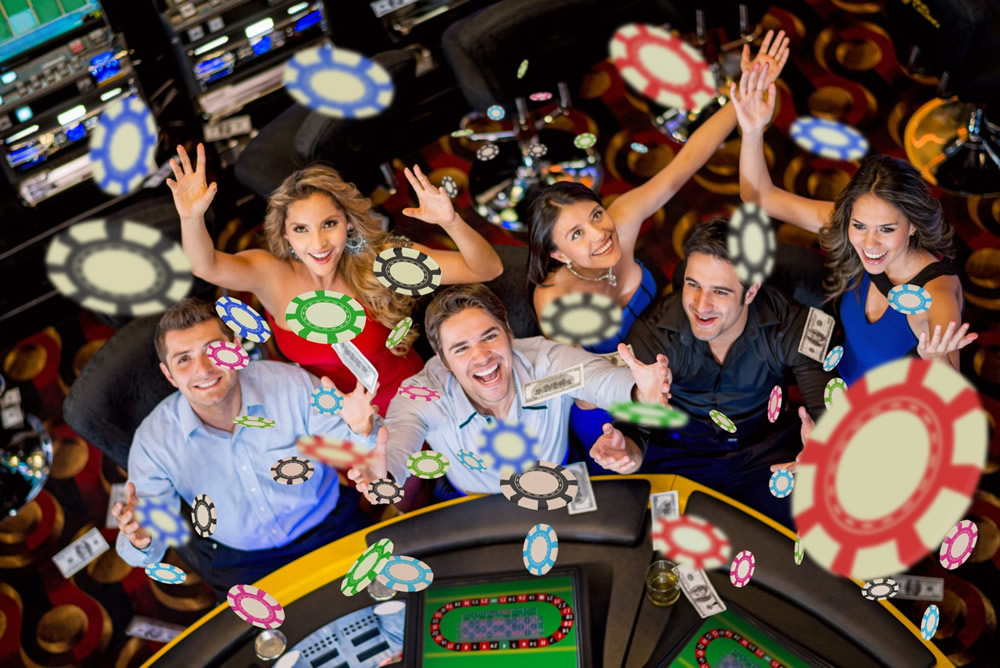
Peer pressure, whether direct or indirect, can compel individuals to gamble in ways they might not consider otherwise. Social events such as birthday parties, bachelor or bachelorette parties, and other gatherings frequently include casino outings, normalizing gambling behaviors among participants. This normalization can create a false sense of security, as individuals may feel their gambling is acceptable because their friends partake as well. It fosters a collective mindset that often overlooks the risks associated with gambling, leading to habitual participation that may have otherwise been avoided.
Furthermore, the rise of social media and online communities has intensified these social influences. The ability to share wins, losses, and experiences across platforms cultivates an environment where gambling successes are highlighted while losses may be downplayed or ignored. This curated visibility can contribute to the perception that gambling is a continual source of fun and excitement, enticing individuals to participate without a full understanding of the potential consequences. Consequently, the intertwining of social dynamics and gambling creates a landscape where psychological factors are compounded, leading to increased participation in what can be a risky activity.
Your Journey Begins Here
Our website is dedicated to providing insightful content that illuminates the complex psychology surrounding gambling in casinos. We recognize that the interplay of cognitive biases, environmental factors, and social influences can create a compelling experience that captures the attention of many individuals. By exploring these dynamics, our goal is to empower readers with valuable knowledge, enabling them to make informed decisions regarding their gambling activities.
We strive to foster a community where individuals can share their experiences and learn from one another. Whether you are a casual player or someone seeking deeper insights into the gambling world, our platform offers resources and discussions that navigate this intricate landscape. Through engaging articles, expert opinions, and community interactions, we aim to create a space where informed choices can be made, promoting a healthier relationship with gambling.
Join us as we delve deeper into understanding the psychological aspects of gambling in casinos. Our commitment is to provide a comprehensive resource that not only informs but also supports responsible gambling habits. Together, we can navigate the enchanting yet challenging world of casinos and make empowered decisions every step of the way.